
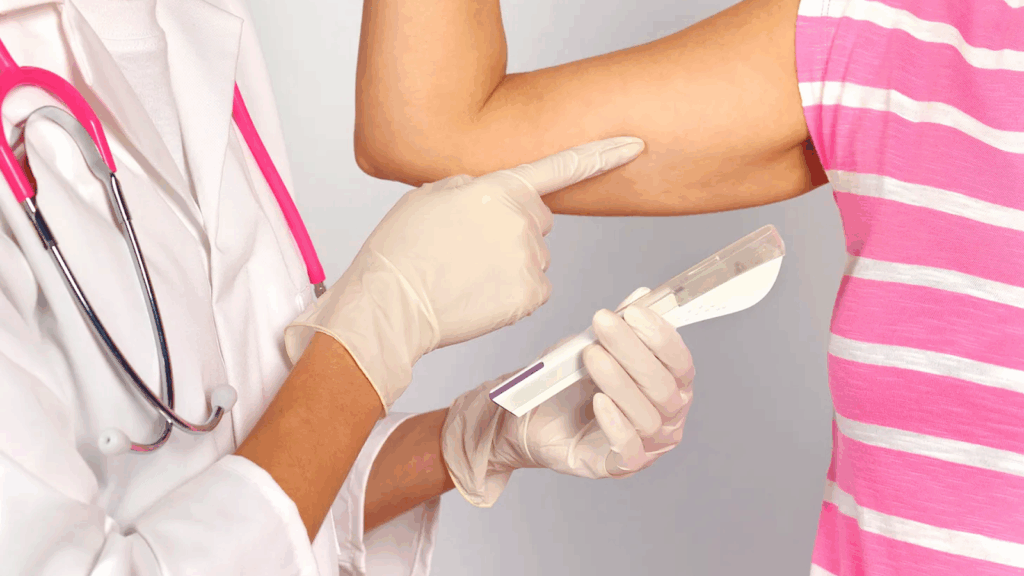
Birth Control Implant in Edmonton: What to Know Before You Choose a Subdermal Implant
If you’re exploring birth control, you’ve probably noticed how quickly the conversation becomes confusing: pills, patches, injections, IUDs, implants, hormones, side effects, timelines, and a dozen opinions from friends or online threads.
A better way to decide is to start with your real-life needs:
- Do you want something you don’t have to think about daily?
- Do you prefer an estrogen-free method?
- Are you postpartum or breastfeeding?
- Do you want a method you can stop anytime if your plans change?
For many people, Nexplanon (the subdermal implant available in Edmonton) checks those boxes. This guide explains what it is, how it works, what side effects are common, and how to decide if it fits your life.
The Implant in 60 Seconds
Nexplanon is:
- A thin plastic rod placed under the skin of your upper arm
- It releases a hormone (progestin) that stops ovulation and thickens cervical mucus
- It’s listed as 99.9% effective in Alberta Health Services information
- It can provide pregnancy protection for at least 5 years (replacement timing can be confirmed with your provider
- It’s reversible and pregnancy can happen as soon as it’s removed
- It does not protect against STIs
What Is a Subdermal Contraceptive Implant (Nexplanon)?
The implant is placed just under the skin of the upper arm. Most people can’t see it, but they can usually feel it under the skin, and your provider can show you how to check it.
A key point many people like: the implant doesn’t contain estrogen, which can matter for those who want or need an estrogen-free option.
How Effective Is It and How Long Does It Last?
In Alberta Health Services patient guidance, the implant is described as 99.9% effective and can provide pregnancy protection for at least 5 years (your provider can confirm the right replacement timeline for you)
You may also see online sources mention longer durations. Some professional guidance discusses effectiveness beyond 3 years in certain contexts, but it’s best treated as a provider-led decision rather than a DIY timeline.
When Does It Start Working?
This is one of the most searched questions and a common place people get tripped up.
What Is Insertion Like?
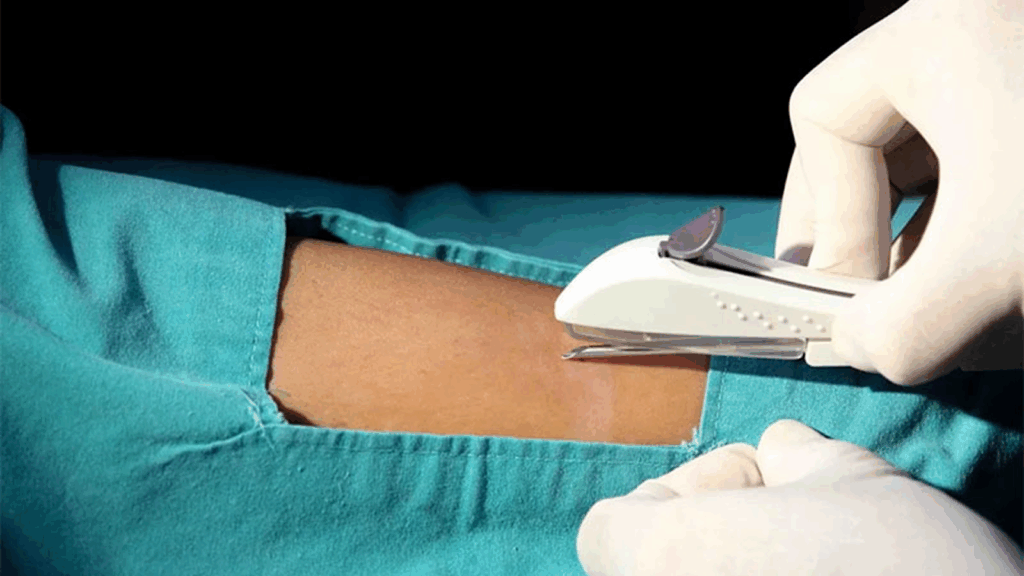
Insertion is typically done in clinic:
- The skin is numbed (local anesthesia)
- The implant is placed under the skin using a special device
- It usually takes only a few minutes
- A bandage is applied and you’re told how to care for the site
Aftercare instructions commonly include keeping the area dry initially, removing a pressure bandage after about 24 hours, and keeping an adhesive bandage on for a few days.
The Most Common “Issue”: Bleeding Changes
If there’s one thing to mentally prepare for, it’s this: your bleeding pattern may change.
According to Alberta Health Services information:
- Spotting/bleeding changes are common in the first 3 months and may improve by 6 months for some people
- More than half may have periods less often or stop
- Some may have longer or more frequent bleeding
- About 15% have it removed due to bleeding changes
Problem-solving tip
If you’re someone who would find unpredictable spotting extremely stressful, bring that up in your consultation. A good provider will help you weigh whether the implant fits your comfort level.
Other Possible Side Effects
Side effects vary, but commonly listed possibilities include:
- headaches
- acne
- weight changes
- tender breasts
- mood changes
- abdominal pain
Also important: some medications (including certain over-the-counter and natural health products) can reduce how well hormonal birth control works, so it’s important to share what you take.
Can I Use Nexplanon While Breastfeeding or Postpartum?
Alberta Health Services information notes the implant can be used while breastfeeding. Timing and suitability should still be confirmed with your provider based on your situation.
Does the Implant Protect Against STIs?
No. The implant doesn’t protect against STIs, and condoms are recommended if STI protection is needed.
Removal and Fertility: What Happens if I Change My Mind?
A big reason people choose the implant is that it’s reversible. Alberta Health Services information notes you can get pregnant as soon as it’s removed. ACOG also notes fertility returns rapidly after discontinuation.
When Should I Call a Clinic?
Seek medical advice if you have:
- increasing pain, warmth, swelling, or redness at the insertion site
- fever or rash soon after insertion
- numbness/tingling or severe arm pain
- you can’t feel the implant
- you think you might be pregnant
If you’re considering a birth control implant in Edmonton and want clear, non-judgmental guidance, RJB Medical Clinic is here to help. A consultation gives you space to ask questions, understand side effects, and choose what fits your health and your life. Book a confidential consultation with RJB Medical Clinic.
Leave a reply